Opinion Editorial: The Intersection of Digital Privacy and Healthcare Market Trends
In today’s digital age, healthcare is not only transforming in the realms of medicine, nutrition, and fitness but also in how technology interacts with patient care and industry operations. One of the most talked-about topics in our modern healthcare landscape is digital privacy—from cookie consent and data processing on health websites to the shifting market dynamics in specialized medical supplies like empty IV bags. In this editorial, we take a closer look at these two influential trends and offer insights on what they mean for both healthcare professionals and patients alike.
The healthcare sector has always operated at the crossroads of innovation and responsibility. On one hand, we see the adoption of cutting-edge medical technologies and advanced treatment methodologies; on the other, there is an increasing emphasis on rigorous data privacy measures and compliance. Today, digital platforms that serve health content are required to obtain explicit consent from users before processing personal data, while the industry itself pushes forward with new market initiatives and product innovations. This opinion piece explores these dynamics, sharing a balanced perspective peppered with expert insight.
Understanding the Cookie Consent on Healthcare Websites
Websites covering health and medicine have become an essential part of our everyday lives. But behind every click and search lies a complex process of digital data handling—a process many users find intimidating and nerve-racking. As we “get into” the cookie consent banners and data processing protocols implemented by these websites, it becomes clear that this is a subject riddled with tension and full of problems for those who value privacy.
How Cookie Consent Works: A Closer Look at Digital Data Processing
When users visit a healthcare website, they are greeted with a cookie consent notice. This banner is not merely a formality; rather, it plays a critical role in the integration of various content elements, third-party services, social media integration, and advertising analytics. The basic idea is to process end device information and personal data with the user’s explicit consent.
This process is not without its tricky parts. Data is essentially passed on to a range of third parties, often including entities based in the United States, where secret access by authorities can potentially occur. The cookie consent notice informs users that by clicking “Accept All,” they agree to the processing of their data. Conversely, selecting “Reject All” ensures that only the essential cookies necessary for website operation are activated.
Many website administrators offer the option to customize cookie settings via “Advanced settings,” thereby allowing users to determine exactly which cookies they wish to allow. This transparency is intended to assuage the concerns of those who are worried about tedious data breaches, though the process remains a challenging maze filled with subtle details and confusing bits for many.
Privacy Concerns and the Role of Modern Legislation
Privacy and data security are undeniably key issues within the healthcare sector, particularly when personal health information is at stake. Users are often caught in a tangle of questions: How secure is my data? Who exactly is processing my information? And what does it mean when third parties, especially those overseas, are involved?
Legislation such as the General Data Protection Regulation (GDPR) in Europe has mandated stricter controls over data processing practices. In this environment, healthcare websites navigate the twists and turns of data privacy by adopting clearer, more user-focused communication. Yet, even with these regulations, some aspects — like potential monitoring by authorities in other jurisdictions — continue to worry many.
The challenge is not just technical but also cultural: many users find the concept of data privacy full of problems and on edge. They face a nerve-racking decision every time they visit a website, trying to determine the best course of action when confronted with ambiguous language and subtle details that are too complicated to decode at a glance.
The Evolution of the Empty IV Bags Market
Steering our focus from digital privacy to products in the healthcare market, another key area to watch is the growth and transformation of the empty IV bags market. These bags play a critical role in intravenous therapy, an essential service in hospitals, clinics, and ambulatory care settings. With rising chronic disease incidence and an expanding volume of medical procedures, this market is experiencing a dynamic shift.
Growth Trajectory: How Market Dynamics Are Shaping the Future
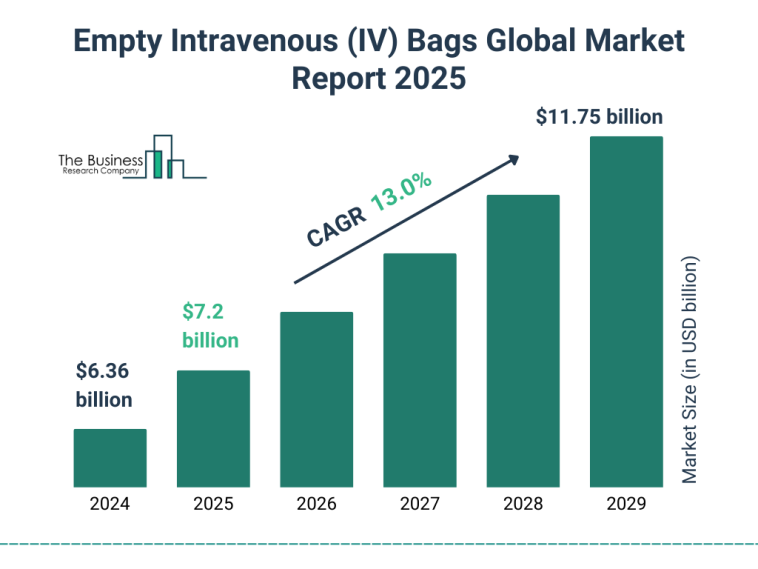
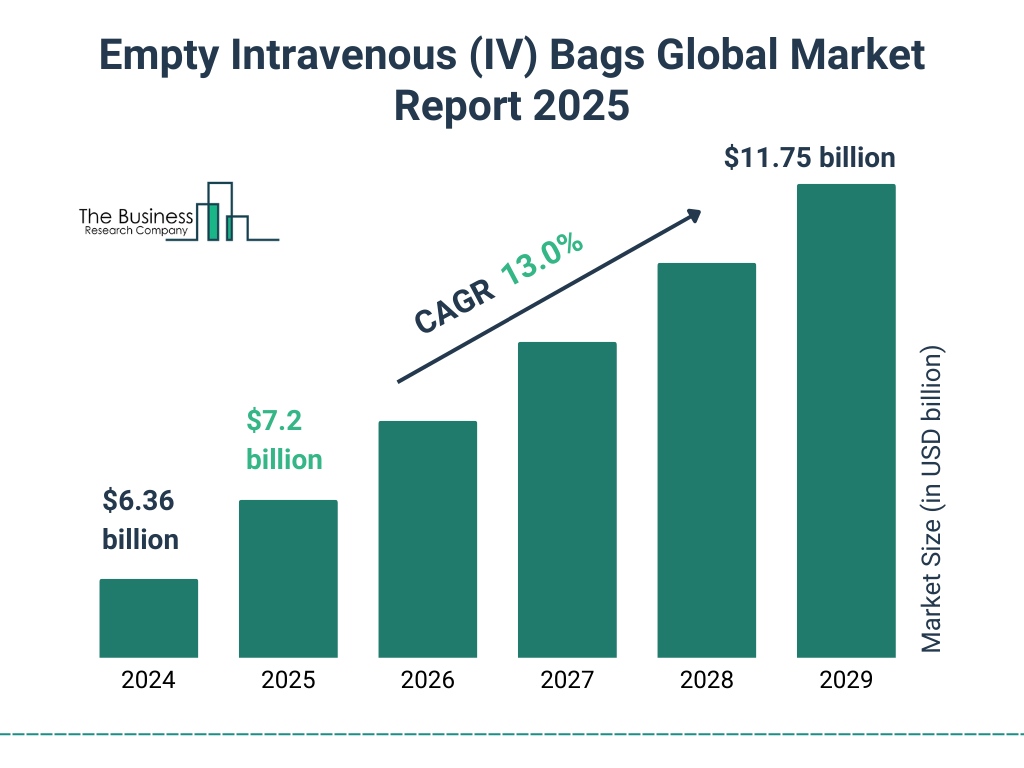
Recent data suggests that the empty IV bags market is expected to grow from an estimated USD 6.05 billion in 2025 to approximately USD 10.5 billion by 2032. This represents a compound annual growth rate (CAGR) of 8.2%, underscoring strong business potential across diverse regions. Several factors contribute to this upward trend, including the increasing prevalence of chronic kidney diseases, rising demand for chemotherapy treatments, and enhanced healthcare expenditures in emerging economies.
For example, North America leads adoption in this realm, bolstered by advanced infusion protocols and robust reimbursement frameworks. Meanwhile, Latin America is witnessing significant growth spurred by increased healthcare spending and an expanding network of hospitals.
Several other key regions are contributing to this vibrant market:
- Europe: Sustainability drives the adoption of PVC-free bag solutions, as per new medical guidelines.
- Asia Pacific: Fastest market growth, particularly in countries like China and India, where rising surgical volumes demand higher production capacity.
- Middle East: Increased infrastructure investments in GCC nations contribute to growing demand.
- Africa: Growth is gradual, closely tied to international aid programs and capacity-building initiatives.
Understanding the Product Segmentation of IV Bags
One of the most important aspects to take a closer look at is how the empty IV bags market is segmented by material type, application, and bag volume. These segments largely determine the competitive dynamics and growth opportunities in the market:
Material Type:
- PVC: The most prevalent material due to its cost-effectiveness.
- PE: Preferred for Total Parenteral Nutrition (TPN) use because of its chemical inertness.
- EVA: Lightweight and phthalate-free, making it popular in pediatric care.
Application Areas:
- Hospitals (for critical care infusion)
- Clinics (especially for outpatient chemotherapy)
- Ambulatory care settings (supporting home infusion therapies)
Bag Volumes:
- Small-volume bags, such as 500 mL, are used extensively for blood component preservation and other critical applications.
Regional Highlights and Market Expansion
A regional breakdown of the market reflects not only the current trends but also indicates the strategic focus areas for the coming years. The following table summarizes key regions along with the main drivers and growth factors associated with each market:
| Region | Key Drivers | Growth Highlights |
|---|---|---|
| North America | Advanced infusion protocols; strong reimbursement frameworks | 9% YoY market growth noted in recent years |
| Latin America | Rising healthcare expenditures; expanding hospital networks | Increased local production capacity backed by government initiatives |
| Europe | Focus on sustainability; adoption of PVC-free materials | High demand for recyclable, multilayer films and sustainable packaging solutions |
| Asia Pacific | Increasing surgical volumes; growing healthcare sector | Fastest growth with rising production and export capabilities |
| Middle East | Infrastructure investments; economic diversification strategies | Steady market expansion in GCC nations |
| Africa | International aid; capacity-building initiatives | Gradual but steady market uptake |
Supply Chain Adjustments and Technological Integration in Healthcare Products
Another pressing topic in today’s healthcare discussion is the ongoing evolution of supply chains and the integration of new technologies into medical products. The empty IV bags sector, in particular, illustrates how production capacity and supply chain agility are managing their way through a rapidly changing landscape.
Boosting Production Capacity and Efficiency
Companies manufacturing empty IV bags are actively increasing their production capacity to keep up with a surge in demand. A notable development is the global output expansion from 2.8 billion units in 2023 to 3.2 billion units in 2024, marking a 14% growth. Such an increase is driven by factors such as enhanced production technology, improved manufacturing processes, and strategic investments in modernizing facilities.
This capacity expansion not only helps meet the rising demand in established markets like North America and Europe but also creates lucrative pricing windows in emerging markets. Maintaining affordable yet high-quality products is crucial, and many manufacturers are venturing into partnerships that allow for local production while adhering to strict quality benchmarks.
Integration of Smart Technologies
The infusion of smart technology into empty IV bag production marks one of the more exciting trends in the healthcare market. For instance, an increasing number of IV bags now come with RFID tags that facilitate real-time tracking. Such integrations help healthcare providers manage their inventory with greater precision, reduce waste, and ensure timely delivery of products.
This technological adoption represents a significant turning point for the industry. Here are some benefits of integrating smart technology in the IV bags supply chain:
- Enhanced supply-chain transparency
- Better inventory control and forecasting
- Reduced risk of product shortages
- Streamlined ordering processes for healthcare institutions
Addressing Supply Chain Challenges
Despite these advancements, manufacturers must still contend with a variety of tricky parts in supply chain management. These include unpredictable delays, raw-material cost volatility, and changes in regulatory compliance that can impact production. However, proactive measures—such as establishing local manufacturing alliances and using advanced monitoring systems—are proving effective.
Many industry experts argue that focusing on resolving these tangled issues is essential to ensuring that supply chains remain resilient and efficient, even in times of crisis. In today’s global market, the ability to figure a path through such logistic twists and turns is as important as the final product itself.
Competitive Strategies and Future Market Projections
In a market that is both competitive and dynamic, companies within the empty IV bags sector are adapting their strategies to capture market share and stay ahead of regulatory curves. Companies such as Baxter, BD, and B. Braun Medical Inc. have been actively tweaking their production models and forging strategic partnerships, thereby gaining an edge over their competitors.
Successful Business Maneuvers in a Changing Market
Let’s take a closer look at how some leading companies are managing their way through this competitive environment:
- Baxter: The launch of lightweight EVA-based IV bags in 2024 reduced production costs by 12% and increased its European market share by about 5%. This move reaffirms the necessity of innovation to stay competitive.
- BD: Expanding capacity at its Guadalajara facility in early 2025 boosted regional output by 20%, thus ensuring a stable revenue stream in the Latin American market.
- B. Braun: The company’s strategic partnership with a film-coating supplier in Malaysia improved product durability, resulting in a 9% uplift in hospital tenders, effectively capitalizing on the growing demand in critical care segments.
Future Growth Drivers and Policy Implications
Looking ahead, several factors are expected to drive the market further:
- Aging Populations: Increased per-capita infusion therapy usage is predicted to drive demand in many regions.
- Government Funding: Strong financial investments, such as India’s recent ₹50 billion healthcare initiative, are expected to boost local production capacities and encourage market expansion in emerging economies.
- Technological Integration: As more IV bags incorporate smart technologies like RFID tags, improved supply-chain transparency and efficiency will push the sector to new heights.
- Sustainability: With the rising emphasis on environmental sustainability, the shift from PVC-based bags to PVC-free and recyclable multilayer solutions is expected to continue, particularly in regions like Europe.
These growth drivers are supported by an increasing number of market indicators. For example, regional lead times have dropped from six to four weeks in several APAC hubs, signaling improved agility throughout the supply chain. Such improvements not only help meet current demand but also set the stage for future expansion.
Taking a Closer Look at the Future: Integrating Digital and Physical Healthcare Trends
While data privacy continues to spark debate among digital users, the healthcare products market — exemplified by the empty IV bags sector — stands as proof that innovation and growth go hand in hand. Both trends, digital privacy and product market evolution, share a common thread: they are driven by the need to adapt to changing consumer expectations and regulatory landscapes.
Balancing Data Privacy with Enhanced User Experience
On the digital front, healthcare websites have faced the daunting task of building trust with users while delivering personalized content and vital services. Consent notices, with all their intimidating disclaimers, are designed to make sure users are informed about how their data is being used. Even though the technical language might seem overwhelming at first, these notifications are crucial for maintaining user trust and ensuring regulatory compliance.
However, not all is perfect in the realm of digital privacy. The risk of secret access and unintended data use continues to be a source of concern. What’s important is that healthcare providers, website developers, and policy makers work together to simplify these processes. Offering clear options such as “Accept All,” “Reject All,” and detailed cookie-setting customizations help in steering through data handling challenges without leaving users lost in a maze of legal jargon.
The evolution in digital privacy measures is not simply an IT upgrade; it is an essential stride toward making healthcare digital engagement more patient-friendly. When users can find clarity in how their data is managed, it paves the way for greater trust—a trust that is indispensable in any health-related interaction.
Aligning Technology with Patient-Centric Care
It is super important to recognize that technology must complement healthcare rather than complicate it. As we see from the advancements in the empty IV bags market, the push for smart, sustainable, and efficient products can only be truly effective if healthcare providers and patients both feel secure and supported through every digital touchpoint. The integration of critical data collection with patient-centric approaches exemplifies the dual focus that modern healthcare demands.
At the end of the day, both digital privacy measures and market innovations in healthcare products are all about enhancing quality—whether it is quality of data protection or quality of patient care. As the sector evolves, the onus is on industry leaders and regulators to foster an environment where digital tools aid in excellent healthcare delivery without compromising personal privacy.
Lessons Learned and Future Perspectives
Where do we go from here? The answer is clear: continue to innovate while keeping an eye on the fine details that matter. The healthcare sector stands at a unique intersection of data privacy, technological innovation, and market evolution. This confluence requires companies and regulators alike to work through every twist and turn with precision and care.
From the tangled issues of cookie consent to the promising expansion of the empty IV bags market, every step taken toward improvement is a step in the right direction. With better supply chain management, strategic business partnerships, and continued adaptation to digital privacy requirements, the future of healthcare appears brighter and more interconnected than ever before.
Here are a few key takeaways to keep in mind:
- Transparency is Critical: Both digital privacy measures and product market strategies benefit immensely from clear, user-focused communication.
- Innovation Fuels Growth: Technological advancements, from smart RFID integration to modernized production methods, are paving the way for a healthier market dynamic.
- Sustainability is a Must: The shift toward environmentally sound practices in healthcare manufacturing is set to become a standard baseline in the global industry.
- Industry Collaboration: Cross-sector collaboration between healthcare providers, tech developers, and policy makers is essential for creating a secure, efficient, and patient-centric industry.
Looking ahead, the melding of digital privacy and market innovation represents more than just regulatory compliance or business opportunity—it is emblematic of a holistic approach to health and wellbeing. Whether you are a patient navigating overwhelming digital privacy settings or an industry leader managing your way through expansion challenges, finding clarity amidst the confusing bits remains a common goal.
Conclusion: Bridging the Gap Between Digital Security and Healthcare Innovation
In closing, the dialogue between digital privacy and healthcare product market trends is not one of opposing forces but rather a complementary blend that can lead to enhanced patient care and more efficient market operations. As we take a closer look at how cookie consent settings work and examine the booming empty IV bags segment, one thing is abundantly clear: innovation, personalization, and transparency must go hand in hand.
Modern healthcare is navigating through its own set of tricky parts—whether it is piecing together a secure digital environment or untangling the many layers of a burgeoning medical product market. With each hurdle comes an opportunity to adapt, innovate, and ultimately create a landscape that is more patient-focused and economically robust.
The decisions made today about data protection, technological integration, and market strategies will reverberate through every level of healthcare in years to come. As professionals in the field, we owe it to our patients and our industry to ensure that these decisions are made with careful thought, collaborative spirit, and an unwavering commitment to clarity and quality.
By embracing both digital security and forward-thinking market initiatives, the healthcare industry can ensure that it not only meets current demands but also remains agile enough to shift with time. Let this be a call to action for everyone involved—from digital strategists and healthcare practitioners to policy makers and consumer advocates—to continue making informed choices that benefit us all.
In the end, it is not just about protecting personal data or capitalizing on market opportunities. It is about forging a path where the little details, the subtle parts, and the fine shades of both technology and patient care form a cohesive, caring, and sustainable future for healthcare globally.
We must all take a closer look at these evolving trends, figure a path through the digital and physical maze, and work together to transform challenges into breakthroughs that resonate across the entire spectrum of modern medicine.
An Action Plan for Stakeholders
To help ensure that the goals outlined above are met, consider the following action plan designed for stakeholders across the healthcare landscape:
- For Healthcare Providers:
- Adopt and promote clear data privacy policies on digital platforms.
- Invest in staff training to understand the subtle details of new data processing practices.
- Build robust partnerships with technology vendors to enhance operational efficiency.
- For Industry Leaders:
- Focus on innovation in product design, especially in creating sustainable medical devices.
- Strengthen supply chain management through smart technology integration like RFID tags.
- Engage in strategic partnerships that serve to expand both domestic and international market reach.
- For Policy Makers:
- Review and update regulatory frameworks to keep pace with technological advancements.
- Ensure that privacy laws protect consumers without stifling innovation.
- Collaborate internationally to manage issues related to data transfer and surveillance risks.
- For Consumers and Patients:
- Stay informed about data privacy settings whenever using healthcare websites.
- Advocate for clear, transparent communication regarding digital data use.
- Provide feedback to healthcare providers to help them tailor services that truly serve your needs.
This comprehensive approach—grounded in transparency, innovation, and collaboration—will enable every stakeholder in the healthcare industry to work through the challenging parts and create a more robust, sustainable, and patient-friendly ecosystem.
The integration of digital privacy efforts with progressive market strategies is not merely a modern luxury, but a must-have element in the quest for improved healthcare outcomes. With every informed decision made and every partnership forged, we find ourselves one step closer to a future where patient care and digital integrity coalesce in a truly transformative way.
As we stand at this pivotal juncture, the ultimate question becomes: How do we continue to ensure that these intersections lead us to better health and more secure services? The answer lies in our willingness to embrace change, understand the little details, and work together to steer through the complicated pieces of a rapidly evolving landscape.
The challenges might seem overwhelming at times, and the twists and turns of both digital and physical markets may appear daunting. Yet, by managing your way through these issues with clarity and determination, the future of healthcare can shine as a beacon of hope and progress for everyone involved.
Originally Post From https://www.openpr.com/news/4073861/empty-iv-bags-market-future-trends-and-scope-analysis-report
Read more about this topic at
Intravenous Solutions Market Size & Share Report, 2034
Intravenous (IV) Solutions Market Size & Share Report, 2030